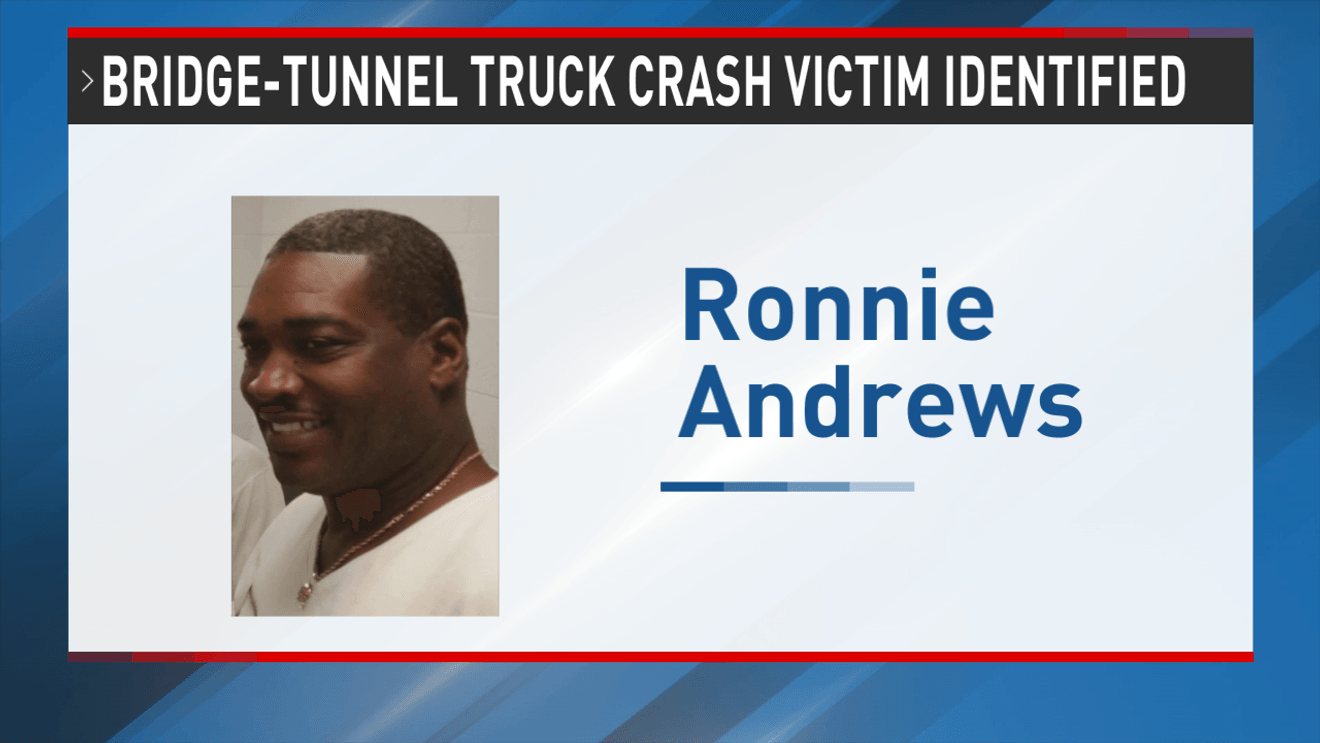
Perdue Truck Driver Identified After Tragic CBBT Plunge: Unraveling the Fatal Incident
The early morning calm of Sunday, February 15, was shattered by a devastating Perdue truck accident on the Chesapeake Bay Bridge-Tunnel (CBBT), claiming the life of a seasoned commercial driver. Identified as 61-year-old Ronnie Andrews of Robersonville, the veteran trucker was operating a Perdue Foods tractor-trailer when it breached the west guardrail and plunged into the icy waters below. The incident, occurring around 6:40 a.m., sent shockwaves through the trucking community and the coastal Virginia region, highlighting the inherent risks faced by those who keep our supply chains moving.
This article delves into the details of the tragic event, remembers the man behind the wheel, examines the complex recovery operations, and explores the broader implications for commercial trucking safety on challenging routes like the CBBT. While the investigation into the precise cause of the accident is ongoing, preliminary findings have ruled out weather as a contributing factor, leaving many questions unanswered about what led to this heartbreaking loss.
The Tragic Perdue Truck Accident: Incident Details and Immediate Aftermath
The scene that unfolded on the CBBT on that fateful Sunday morning was one of profound tragedy and immediate, intense response. Ronnie Andrews, at the helm of his Perdue tractor-trailer, was traversing the critical infrastructure that connects Virginia's Eastern Shore with Virginia Beach when, for reasons still under investigation, his vehicle veered off course. It crashed through the protective west guardrail, descending into the deep waters of the Chesapeake Bay.
Perdue Foods, a leading agricultural and food company, quickly confirmed the devastating news that Mr. Andrews died at the scene. The impact of the plunge was immense, with reports indicating that the beach near the crash site was scattered with blue baskets, a grim reminder of the chicken cargo the Perdue truck was carrying. This dispersion of cargo not only indicated the force of the accident but also complicated initial search and recovery efforts.
The Chesapeake Bay Bridge-Tunnel is known for its unique challenges, including strong crosswinds, long stretches over open water, and limited shoulders, making it a demanding route even for experienced drivers. While weather has been explicitly ruled out as a factor in this particular Perdue truck accident, the incident serves as a stark reminder of the constant vigilance required when operating commercial vehicles on such vital and exposed thoroughfares.
Remembering Ronnie Andrews: A Life of Kindness and Dedication
Beyond the statistics and the tragic headlines, this incident represents the profound loss of a human life. Ronnie Andrews was more than just a truck driver; he was a husband, a friend, and a valued member of his community. His wife, Lovie Andrews, bravely spoke with 13NewsNow, though understandably chose to remain off camera during her emotional testimony. Through her tears, she painted a picture of a man who lived life to the fullest, deeply cherishing his family and friends.
Lovie described her husband as a wonderful man, highlighting his innate kindness, compassion, and unwavering willingness to help others. These are the qualities that define a person's legacy, far beyond their profession. The outpouring of grief and remembrance from those who knew him underscores the personal toll such accidents take, affecting not just immediate family but also wider circles of friends, colleagues, and community members. The dedication and hard work of individuals like Ronnie Andrews are the backbone of the nation's logistics and supply chains, often operating under challenging conditions to deliver essential goods. For a deeper look into the man whose life was tragically cut short, please read: Ronnie Andrews Remembered After Perdue Truck Crash on CBBT.
Complex Recovery Operations and Ongoing Investigation
The recovery efforts following the Perdue truck accident were extensive and highly complex, involving a multi-agency response due to the unique challenges of the CBBT's environment. Several specialized teams converged on the scene to assist:
- U.S. Coast Guard: Primarily focused on search and rescue, maritime safety, and environmental protection.
- Virginia Beach Marine Rescue: Offering crucial local expertise and resources for water-based operations.
- Crofton Diving (Portsmouth): A highly specialized team tasked with the challenging underwater recovery of both Mr. Andrews' body and the massive tractor-trailer itself. Recovering a submerged commercial vehicle is an intricate operation requiring heavy equipment, precise coordination, and skilled divers.
According to officials from the Chesapeake Bay Bridge-Tunnel, Crofton Diving successfully completed the arduous task of recovering both Ronnie Andrews' body and the entirety of the truck from the depths of the Bay. This crucial step allowed investigators to begin a more thorough examination of the vehicle for potential clues into the cause of the crash.
The investigation into the cause of the Perdue truck accident remains active and ongoing. While weather conditions were quickly ruled out, investigators are likely looking into a multitude of potential factors, including:
- Mechanical Failure: Was there a sudden malfunction with the truck's braking system, steering, or tires?
- Driver Medical Emergency: Did Mr. Andrews suffer an unforeseen medical event that led to loss of control?
- Driver Fatigue: While regulations exist for hours of service, fatigue can still be a contributing factor in accidents.
- Lane Departure Causes: What caused the truck to leave its lane? This could range from distraction to an attempt to avoid something on the roadway.
- Bridge Infrastructure: While the CBBT is regularly inspected, investigators will assess the guardrail integrity and road conditions at the point of impact.
Understanding the root cause is paramount not only for closure for the Andrews family but also for preventing similar tragedies in the future. Each detail gathered from the scene, vehicle wreckage, and witness statements contributes to a comprehensive picture that can inform future safety protocols and infrastructure improvements.
Understanding the Broader Implications of Commercial Trucking Safety
The fatal Perdue truck accident on the CBBT casts a harsh spotlight on the broader landscape of commercial trucking safety. Millions of commercial vehicles traverse U.S. roads daily, delivering goods essential to our economy. However, the sheer size and weight of these vehicles, combined with the demanding nature of the job, present inherent risks. For companies like Perdue, ensuring the safety of their drivers and fleet is a paramount concern, not just for ethical reasons but also for operational continuity and brand reputation.
Key Areas of Focus in Trucking Safety:
- Driver Training and Experience: Experienced drivers like Ronnie Andrews are invaluable, but continuous training on defensive driving, hazard perception, and specific route challenges (like the CBBT) is crucial.
- Vehicle Maintenance: Regular, rigorous inspections and maintenance schedules are non-negotiable for commercial vehicles. Brake systems, tires, steering, and lights must be in optimal condition to prevent catastrophic failures.
- Hours of Service (HOS) Regulations: Mandated by the Federal Motor Carrier Safety Administration (FMCSA), HOS rules aim to prevent driver fatigue. Compliance and proper use of Electronic Logging Devices (ELDs) are critical.
- Advanced Safety Technologies: Modern trucks increasingly feature technologies such as collision mitigation systems, lane departure warnings, and stability control. Investing in and effectively utilizing these technologies can significantly reduce accident risk.
- Infrastructure Design: While drivers are responsible for operating safely, road and bridge design also play a role. Guardrail specifications, shoulder widths, and signage are vital for enhancing safety, particularly on unique structures like the CBBT.
This incident will undoubtedly prompt Perdue Foods, like any responsible carrier, to review its safety protocols, driver support systems, and vehicle maintenance procedures. Such events serve as powerful, albeit tragic, reminders that safety should always be the highest priority in the trucking industry.
Preventing Future Tragedies: Safety Measures and Driver Responsibility
While the full findings of the CBBT investigation are still pending, every fatal incident offers critical lessons that can help prevent future tragedies. Both truck drivers and trucking companies bear immense responsibility for safety on our roads.
Tips for Commercial Drivers:
- Prioritize Rest: Adhere strictly to Hours of Service regulations and get adequate rest. Fatigue is a silent killer.
- Pre-Trip Inspections: Conduct thorough pre-trip and post-trip inspections. Check brakes, tires, lights, fluid levels, and securement of cargo diligently.
- Defensive Driving: Always anticipate potential hazards. Maintain extra following distance, especially in adverse conditions or on challenging routes.
- Be Weather Aware: While weather was ruled out in this case, always monitor forecasts and adjust driving accordingly. High winds, rain, or ice demand extra caution.
- Health and Wellness: Prioritize personal health. Regular medical check-ups can help identify potential health issues that could impair driving.
Recommendations for Trucking Companies:
- Robust Safety Programs: Implement comprehensive safety training, regular refreshers, and ongoing performance monitoring.
- Maintenance Excellence: Invest in top-tier maintenance facilities and personnel. Proactive maintenance is cheaper and safer than reactive repairs.
- Technology Adoption: Equip fleets with the latest safety technologies, such as advanced driver-assistance systems (ADAS), blind-spot monitoring, and forward-collision warning systems.
- Support Driver Well-being: Foster a culture that encourages drivers to report fatigue, mechanical issues, or concerns without fear of reprisal. Provide resources for mental and physical health.
- Route Planning and Assessment: Analyze high-risk routes, like the CBBT, and provide specific guidance or training for navigating them safely.
The ultimate goal is to create an environment where drivers feel supported, vehicles are meticulously maintained, and safety is ingrained into every operational decision. The loss of Ronnie Andrews is a profound reminder of the human cost when safety protocols falter or unforeseen circumstances arise.
Conclusion
The fatal Perdue truck accident on the Chesapeake Bay Bridge-Tunnel has deeply impacted the community and shed light on the inherent dangers faced by commercial drivers. The tragic death of Ronnie Andrews, a kind and dedicated man, underscores the human element behind every accident statistic. While recovery efforts were successful, the ongoing investigation aims to provide answers and insight into the exact circumstances that led to the tractor-trailer's plunge. This incident serves as a critical call to action for the entire trucking industry, reinforcing the paramount importance of stringent safety measures, advanced technology, continuous driver training, and robust vehicle maintenance. Only through collective vigilance and a steadfast commitment to safety can we hope to mitigate the risks associated with commercial transportation and prevent similar heartbreaking losses in the future.